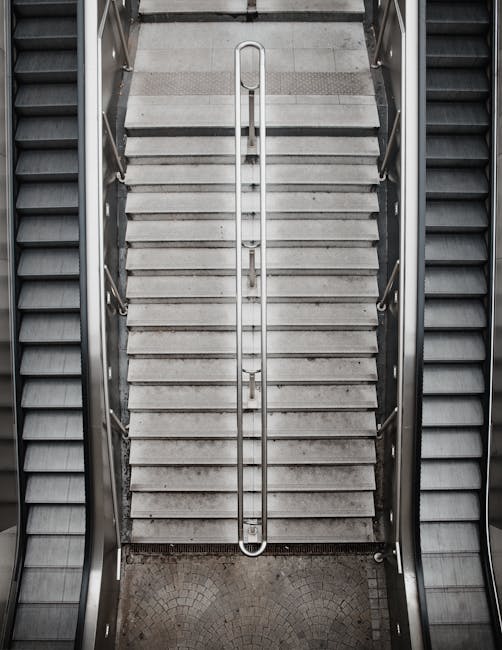
Staircase and narrow access removals Hammersmith common problems
Posted on 01/08/2026
Staircase and narrow access removals Hammersmith common problems: what usually goes wrong and how to handle it
If you are moving in Hammersmith and the only route out is a tight staircase, a awkward landing, or a hallway that seems to shrink the moment a sofa appears, you are not alone. Staircase and narrow access removals Hammersmith common problems are a real part of local moving life, especially in older flats, mansion blocks, converted houses, and properties near busy roads where access is never quite straightforward. The good news? Most of the common issues can be predicted, planned for, and handled calmly with the right preparation.
This guide breaks down the main problems people run into, how a removal team typically works around them, and what you can do before moving day to avoid the usual headaches. We will also cover practical checklists, realistic examples, and the kinds of decisions that make a move feel smoother rather than chaotic. Because, let's face it, nobody wants to discover at the top of a narrow staircase that the wardrobe was 4 centimetres too optimistic.
Why Staircase and narrow access removals Hammersmith common problems Matters
Hammersmith has a mix of property types, and that variety is exactly why access problems crop up so often. Some homes have elegant old staircases with awkward corners. Others have small communal halls, steep internal stairs, low ceilings, or shared entrances where one blocked passage slows everything down. In flats, especially, the path from front door to van matters just as much as the item itself.
When people underestimate access, the move tends to unravel in small but expensive ways. Furniture gets delayed. Crews need extra carrying time. Items may need to be dismantled on the spot. In some cases, a job that looked simple on paper becomes physically awkward very quickly. There is also the risk of scuffed walls, strained backs, and that horrible moment when two people are stuck on a landing trying to turn a mattress that clearly has its own agenda.
For local removals, narrow access is not a niche issue. It changes the whole moving plan. That is why it matters to think about it early, especially if you are arranging flat removals in Hammersmith, moving heavy household items, or dealing with time-sensitive access around a stairwell.
It also matters because access problems are easier to solve before moving day than during it. A measured plan, a realistic inventory, and a clear conversation with your removals team can save a lot of stress. Sometimes the difference between a smooth move and a messy one is just one honest measurement and a bit of nerve.
How Staircase and narrow access removals Hammersmith common problems Works
In simple terms, the process is about matching the route to the load. The removal team looks at the size, weight, shape, and fragility of each item, then checks whether it can safely travel through stairwells, door frames, turns, and landings. If the answer is yes, great. If not, the team adapts the method.
That adaptation might include dismantling furniture, using protective coverings, carrying items with more than two people, or choosing a different vehicle and loading plan. On some jobs, the main challenge is not the stairs themselves but the combination of stairs plus a tight hallway, poor parking, or a communal entrance with limited turning space. In Hammersmith, those issues often appear together.
A typical access assessment will consider:
- stair width and steepness
- turns on landings and corner clearances
- ceiling height and light fittings
- door frame width and hinge clearance
- floor surface, grip, and protection needs
- outside parking distance from the property
- time restrictions, lifts, and shared entrance rules
For more complex jobs, especially where bulky furniture or special items are involved, it is sensible to check the wider service options first through the services overview. That helps you see whether your move needs a standard van, a more flexible team, or extra handling support.
Truth be told, most access issues are solved by combining three things: better planning, the right crew, and fewer assumptions. The problems usually start when someone assumes a sofa will simply "make it" without testing the route first. Spoiler: it often does not.
Key Benefits and Practical Advantages
Handling access issues properly does more than prevent damage. It changes the whole feel of the move. You get less panic, fewer delays, and a much clearer idea of what can be done safely and what needs a workaround.
Here are the main advantages of planning staircase and narrow access removals well:
- Lower risk of damage to furniture, walls, banisters, and floors
- Better time control because the crew is not improvising under pressure
- Safer lifting for everyone involved, including you if you are helping
- Less stress on moving day, which is underrated until you are in the middle of it
- More accurate quotes when the access details are shared honestly
- Smarter vehicle choice for parking and loading conditions
There is also a commercial benefit if you are comparing providers. A team that asks detailed access questions is usually taking the job seriously. That does not guarantee perfection, of course, but it does show they are thinking ahead rather than hoping for the best and crossing their fingers in the van.
If you want a better sense of move planning, pricing expectations, and what affects the final cost, it is worth reading about pricing and quotes alongside your access plan. It helps you see where extra handling time or specialist carrying might influence the job.
Who This Is For and When It Makes Sense
This kind of planning makes sense for anyone moving through a property with awkward vertical access, but it is especially relevant if you live in one of Hammersmith's many flats or converted buildings. Some properties look spacious once you are inside, then the staircase tells a different story. A standard double bed frame, a large bookcase, or an old dining table can suddenly become a logistical puzzle.
You are likely to need extra planning if you are:
- moving from a top-floor flat with no lift
- dealing with narrow communal staircases
- moving furniture into or out of a period property
- handling bulky items like wardrobes, desks, or white goods
- working to a tight schedule, such as a lease handover
- planning a student move with stairs, boxes, and not much time
It is also relevant for people who are moving alone or with limited help. In those situations, a flexible option like a man and van in Hammersmith can be a sensible fit, especially when the job is smaller but access is still a bit of a pain.
And if you are moving urgently, maybe because keys have changed hands or dates have shifted, narrow access can make a rushed move feel even more pressured. In those cases, a same-day removals service in Hammersmith may help, though only if the access details are clear from the start. Same-day does not mean guesswork. Not if you want the day to end well.
Step-by-Step Guidance
Here is a practical way to approach the move so the staircase does not become the main character in the story.
- Measure the route first. Check stair width, landing size, door frames, and any tight bends. If a wardrobe or sofa needs tilting, measure height as well as width.
- List the awkward items. Bulky beds, mirrors, wardrobes, washing machines, and anything with glass should be flagged early.
- Take photos or short videos. A few well-lit pictures of the stairs, hall, and entrance can be far more useful than a vague description.
- Ask about dismantling. Flat-pack furniture may not be the issue. Sometimes older furniture comes apart more easily than people think, but not always.
- Check parking and loading distance. A good route upstairs is only half the problem if the van has to park far away.
- Protect the property. Floor runners, corner protection, and door padding can prevent avoidable wear.
- Confirm arrival and access details in writing. Especially if a building manager, concierge, or neighbour controls entry.
- Keep essentials separate. Important documents, chargers, medication, keys, and valuables should not be buried in a moving box pile.
One useful habit: do a quick "can it turn?" test. Many items fit through a doorway but fail on the landing because there is no swing room. That is the bit people forget. And once the item is halfway up the stairs, there is no elegant way to pretend it was part of the plan.
If your move is domestic and includes a full home load, you may also want to look at house removals in Hammersmith or the specific support available for furniture removals. Those pages are useful if your move involves more than just a few boxes and a trolley.
Expert Tips for Better Results
There are a few small things that make a surprisingly big difference. None of them are glamorous, but they save time and reduce risk.
- Book an early access check. Do not leave it until the week before. Tight staircases are not forgiving of last-minute surprises.
- Be honest about item sizes. If a sofa is "a bit large", it is probably large. If a wardrobe is "light enough", it may still be awkward.
- Use proper packing materials. Better boxes and padding keep items stable on stairs and protect corners from knocks. The packing and boxes support page can be useful here.
- Clear the route before the crew arrives. Shoes, plant pots, umbrellas, loose mats, and random hallway clutter slow things down more than people expect.
- Separate fragile items. Mirrors, lamps, artwork, and screens need more care than a standard box can offer.
- Plan for parking enforcement and loading constraints. Hammersmith roads can be busy, and short loading windows feel even shorter when someone is carrying a chest of drawers upstairs.
For students or renters juggling small rooms and steep stairs, a focused service can be a smart option. See student removals in Hammersmith if you want a lighter, more flexible moving setup.
One more thing: if the staircase looks fragile or the property is clearly old, say so. A careful team will appreciate it. Nobody wants to be the person who scraped a Georgian banister because they were in a hurry. That sort of thing lingers in the memory, unfortunately.
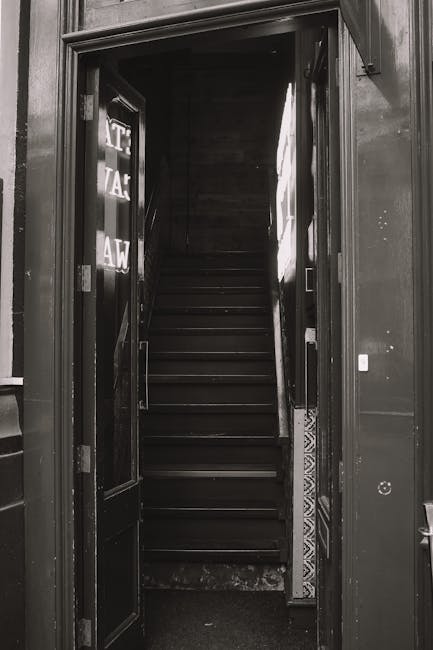
Common Mistakes to Avoid
This is where many moves go sideways. Not dramatically, just enough to make everything slower and more stressful than it needed to be.
- Assuming standard items will fit. A "normal" sofa can still be wrong for a particular staircase.
- Ignoring turn angles. Landings matter more than people think. The corner can be the real problem.
- Forgetting the external route. A good internal staircase means little if the van cannot park close enough.
- Not telling the removals team about lift restrictions. Some lifts are too small, booked, or unavailable at key times.
- Overpacking boxes. Heavy boxes are harder to carry safely on stairs and more likely to split.
- Leaving dismantling until the last minute. If a bed frame needs taking apart, discover that before the van is waiting outside.
- Skipping insurance checks. You want to know what is covered before anything gets loaded, not after.
It is also worth avoiding the "we'll see on the day" approach if the staircase is already clearly tight. Sure, some flexibility is healthy. But blind optimism and a three-seater sofa are not a great combination.
If you are comparing providers, a detailed removal services page and clear insurance and safety information can help you judge how seriously a company handles awkward access and item protection.
Tools, Resources and Recommendations
You do not need specialist kit for every move, but the right tools make staircase jobs much easier. The point is not to turn you into a removals crew. The point is to make the job safer and less chaotic.
| Tool or resource | What it helps with | Why it matters |
|---|---|---|
| Measuring tape | Stair width, doors, furniture dimensions | Prevents avoidable fit issues |
| Furniture blankets | Protecting surfaces and corners | Reduces scratches and impact marks |
| Stretch wrap | Keeping drawers and doors secure | Stops movement during carries |
| Floor protection | Hallways, stairs, and landings | Helps protect property surfaces |
| Camera phone | Recording access points and tricky corners | Useful for planning and quoting |
| Building contact details | Concierge, landlord, or managing agent access | Prevents delays at the entrance |
For furniture-heavy moves, it is worth reviewing removal van options in Hammersmith so you can match the vehicle size to the actual load rather than guessing. If you have a large item such as a piano, that is a different conversation altogether, and piano removals exist for exactly that reason.
Storage can also be a sensible pressure valve if the staircase issue is made worse by timing, renovation work, or a move-out date that comes before your next place is fully ready. In that case, storage in Hammersmith can help you split the move into stages.
Law, Compliance, Standards, or Best Practice
There is no single rulebook that solves every narrow-staircase move, but there are clear best-practice expectations in the removals trade. Safe lifting, proper manual handling, sensible route planning, and honest access reporting all matter. In the UK, that usually means a company should work with care around injury prevention, property protection, and fair handling of customer information and terms.
For customers, the most important thing is simple: tell the truth about access. If the staircase is very tight, if the property has restrictions, or if building management has rules for use of the communal areas, those details should be shared before move day. That is not bureaucracy for its own sake. It helps the crew plan safely and can reduce the chance of avoidable disputes later.
It is also wise to check practical pages such as terms and conditions, payment and security, and the company's privacy policy when you are booking. If there is a concern about service standards, the complaints procedure should also be easy to find and understand.
For businesses or offices moving through narrow internal spaces, the same principles apply, but the scheduling pressure is often higher. See office removals in Hammersmith if you are dealing with work equipment, filing, or a building with more formal access rules.
And one practical note that gets overlooked: accessibility is not only about disability. It also covers whether a move can be done safely, fairly, and without forcing people into awkward or unsafe carrying conditions. That is exactly why an accessibility statement can matter on a company website, even for removals.
Options, Methods, or Comparison Table
Different access problems call for different approaches. Here is a straightforward comparison.
| Method | Best for | Pros | Trade-offs |
|---|---|---|---|
| Standard carrying through stairs | Most furniture that fits safely | Simple, fast, cost-effective | Not suitable for oversized items |
| Dismantling items first | Wardrobes, beds, large tables | Easier turning on landings | Takes time and careful reassembly later |
| Two-person or three-person lift | Heavy or awkward items | Improves control and safety | Needs more labour and coordination |
| Smaller van and multiple trips | Restricted parking or local moves | More flexible on tight roads | Can take longer overall |
| Storage-first move | Timing gaps or renovation work | Reduces pressure on access day | Extra handling and storage planning |
If you are unsure which method suits your situation, browsing the company's wider removal companies in Hammersmith information can help you compare the kind of support available. You do not always need the most complex solution. Sometimes the best answer is simply the one that fits the building.
Case Study or Real-World Example
Picture a couple moving out of a top-floor flat near a busy Hammersmith street. The furniture list looks modest enough: a bed frame, a sofa, a dining table, four chairs, boxes, and a sideboard. On paper, it sounds like a fairly standard job. Then the staircase enters the chat.
The building has a narrow communal stairwell, a right-angle turn on the second landing, and a front entrance that sits a short distance from the kerb. The sofa technically fits through the front door, but only if it is tilted, rotated, and carried with enough room to breathe. The dining table legs need removing. The sideboard is heavier than expected. Not impossible, just fiddly.
What made the move work was not magic. It was preparation. The movers received photographs in advance, the residents cleared the hallway, the van was parked as close as possible, and the crew brought protection for walls and floors. The job still took longer than a straightforward ground-floor move, but nobody had to force an item through the stairwell or improvise in a panic.
Expert summary: most staircase problems are manageable when the route is measured honestly, the awkward items are identified early, and the movers are given enough information to plan the carry properly.
That is the real lesson. A narrow staircase is not necessarily a deal-breaker. It is just a variable. And once you treat it like a variable instead of a surprise, everything gets easier.
Practical Checklist
Use this before moving day. It is simple, but it works.
- Measure stair width, landings, and door frames
- Check ceiling lights, bannisters, and tight corners
- List every bulky or fragile item separately
- Take clear photos of the route from the door to the van
- Confirm parking distance and access restrictions
- Ask whether furniture should be dismantled
- Prepare protective covers for floors and walls
- Keep essentials in one clearly marked bag
- Share building entry details with the removals team
- Review cover, payment, and terms before booking
If your move needs a more flexible setup, you may also want to look at man with a van in Hammersmith or compare it with man and van Hammersmith options. The right choice often depends on how tight the access is, not just how many boxes you have.
And if you are still early in the planning stage, the company's about us page is a useful place to understand the team behind the service before you commit.
Get a free quote today and see how much you can save.
Conclusion
Staircase and narrow access removals in Hammersmith are common for a reason: the local housing mix includes lots of properties where the route in and out is just as important as the load itself. The common problems are usually predictable, which is the encouraging bit. Narrow turns, steep stairs, awkward landings, and parking friction all sound difficult, but they are usually manageable with honest measurements, clear communication, and the right level of support.
If you take one thing from this guide, let it be this: do not treat access as a side detail. It is part of the move. A small bit of planning now saves a lot of muttering later, and probably a headache or two as well.
Move carefully, ask the awkward questions early, and give yourself enough time for the job to be done properly. That tends to be the difference between a stressful haul and a move that, well, actually feels under control.