King Street Hammersmith removal tips for narrow stairs
Posted on 14/06/2026
King Street Hammersmith Removal Tips for Narrow Stairs: A Practical Guide for a Smoother Move
If you are moving on or near King Street in Hammersmith, narrow stairs can turn a normal move into a proper puzzle. One awkward corner, a low ceiling, or a heavy wardrobe that looked manageable in the living room suddenly becomes the thing everyone is staring at. The good news? With the right planning, the right packing approach, and a bit of local know-how, King Street Hammersmith removal tips for narrow stairs can make the difference between a stressful day and a move that feels controlled from start to finish.
This guide walks through the practical steps that matter most: measuring properly, protecting the property, choosing the right removal method, and avoiding the mistakes that cause delays, scratches, and avoidable back strain. It is written for people moving flats, maisonettes, shared houses, and compact town properties where the staircase is the real bottleneck. Truth be told, that is a lot of King Street and wider Hammersmith housing stock.
We will also cover when to use a specialist team, how to prepare bulky furniture, what tools help most, and how to keep the whole process calm enough that you can still find your kettle box at the end of the day. If you need a broader overview of moving support, you may also find the services overview useful alongside this article.

Why King Street Hammersmith removal tips for narrow stairs Matters
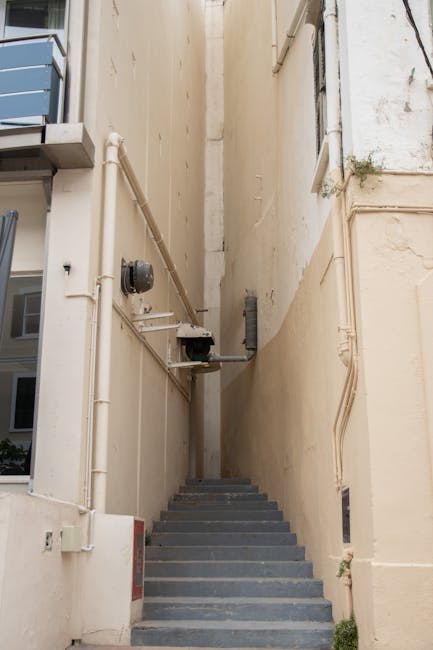
Narrow stairs change the whole shape of a move. A sofa that would pass through a wider staircase with ease may need to be tilted, rotated, or wrapped in a way that feels almost like a small engineering exercise. That is especially true in older London conversions and compact upper-floor flats, where the stairwell may also include sharp turns, tight landings, bannisters close to the wall, or low-hanging light fittings.
Why does this matter so much? Because most moving damage happens at the point where people rush the trickiest part. A scuffed wall is annoying. A smashed lamp, damaged stair rail, or twisted appliance is a bigger issue. And if someone strains their back while trying to force a heavy item through a space that was never going to cooperate, the day stops being a simple removal and becomes a problem no one wanted.
For residents on King Street, the challenge is usually not the distance. It is the access. You may only be moving a few streets away, but the staircase can be the real obstacle. That is why proper planning beats brute strength every time. It is not about being dramatic. It is just the sensible way to work.
If you want a sense of the broader local moving landscape, flat removals in Hammersmith are often the closest fit for this kind of property access issue, especially in upper-floor homes with compact staircases.
How King Street Hammersmith removal tips for narrow stairs Works
The core idea is simple: break the move into small, measurable decisions before moving day. That usually means checking dimensions, separating furniture into manageable pieces, protecting the route, and deciding in advance which items should go upstairs, downstairs, or perhaps into storage for the moment.
In practice, the process starts with access. Measure the staircase width at the narrowest point, check the landing depth, note any turns, and measure the tallest or widest items you want to move. People often measure the room and forget the staircase. That is the wrong order, honestly. The stairwell is the gatekeeper.
Next comes load planning. Some furniture can be dismantled safely. Beds, tables, shelving, and certain wardrobes are often easier to move in parts. Other items, like pianos or large solid wood pieces, may need specialist handling. If that sounds familiar, furniture removals in Hammersmith can help shape the move around the actual objects rather than forcing everything into one method.
Finally, the route through the property has to be managed. Walls may need covering, corners need protection, and the moving team needs enough room to pivot items safely. On a narrow stair, one person guiding from above and another controlling the lift from below can work much better than a crowd of helpers all trying to assist at once. Too many hands can be a nuisance, which sounds rude, but it is true.
Key Benefits and Practical Advantages
Planning for narrow stairs is not just about avoiding disaster. It also makes the entire removal faster, calmer, and usually cheaper in the long run because fewer things go wrong. Here are the real benefits.
- Less risk of damage: Walls, banisters, door frames, and furniture are easier to protect when the route is planned in advance.
- Safer handling: Controlled lifting reduces strain and lowers the chance of slips on tight turns.
- Better time management: You spend less time guessing and more time moving efficiently.
- Smarter use of vehicle space: Items can be loaded in the right order based on what will need the most effort at the property.
- Reduced stress: Small problems are dealt with before they become moving-day arguments. Always a bonus.
There is also a confidence benefit that people underestimate. When you have a plan for the staircase, the rest of the move feels more manageable. The kettle, the bedding, the box of chargers, all that stuff becomes just logistics rather than chaos.
For people choosing between moving styles, a man and van service in Hammersmith can be a practical choice for smaller moves, while a larger team may suit full-house relocations where stair access needs more hands and more structure.
Who This Is For and When It Makes Sense
This advice is most useful if you are moving from a top-floor flat, a period conversion, a shared house, or any property where the stairwell is narrow, awkward, or steeper than it first looked. That includes many homes around King Street and the surrounding Hammersmith streets, where older layouts and compact refurbishments can leave very little margin for error.
It also makes sense if you are moving:
- a sofa that is large for the stairwell
- a wardrobe or bed frame that can be dismantled
- a washing machine or fridge into or out of an upper floor
- delicate items that need slow, careful turning
- student belongings packed into a lot of small boxes, which sounds easy until there are forty of them
If that last one sounds familiar, student removals in Hammersmith can be a handy fit for compact moves where stairs, boxes, and time pressure all arrive together.
It is also worth considering this guidance if you have a moving deadline. End-of-tenancy moves, office moves from upper floors, and last-minute swaps all become harder when the stairs are restrictive. In those cases, a little planning is not optional; it is what keeps the day on track.
Step-by-Step Guidance
Here is the practical method we would use on a real narrow-stair move. Nothing fancy. Just the steps that actually help.
- Measure every critical point. Check staircase width, handrail clearance, landing size, ceiling height, and the size of each bulky item. Measure twice if needed. The tape measure is boring, but it saves the day.
- Identify the trouble pieces first. Large sofas, king-size beds, cabinets, mirrors, and appliances should be assessed before the rest of the boxes. These items set the tone for the move.
- Dismantle what can safely come apart. Remove legs, doors, shelves, and loose fittings where appropriate. Keep screws, bolts, and fittings bagged and labelled.
- Protect the route. Use covers for railings, blankets or wraps for walls, and floor protection for the most worn areas. Narrow stairs show damage quickly.
- Pack smart. Keep boxes small enough to carry comfortably on a turn. Heavy items should be split across several boxes rather than put into one heroic monster box that nobody enjoys lifting.
- Plan the carrying order. Decide which items move first and which go last. Usually, the largest awkward items should be tackled while everyone is fresh.
- Use controlled communication. One person should call the moves. Simple phrases such as "hold", "slow", "turn", and "stop" work better than a noisy group discussion in the stairwell.
- Pause before the tightest turn. A half-second of reset can prevent a scrape. It is amazing how often the correct move is the one that looks slow.
- Recheck the landing before lifting. Sometimes a piece clears the stairs but gets stuck at the landing. That is a classic London move problem.
- Load the van with the exit route in mind. Keep the most awkward stair items accessible so they are not buried under lighter boxes when you need them first.
If you are moving a full household rather than a single flat, the structure of the day matters even more. You may want to look at house removals in Hammersmith for a more complete service approach, especially where multiple flights of stairs or mixed-size furniture are involved.
Expert Tips for Better Results
These are the small details that make a real difference. The kind of things you only appreciate after you have done a few awkward stair moves and thought, right, that would have been easier if we had known earlier.
1. Empty furniture before trying to move it
A drawer unit that looks just about manageable can become a problem if the drawers are still full. Remove contents, wrap loose parts, and lighten the shell. It sounds obvious. People still forget. Happens all the time.
2. Protect corners before you start
On narrow stairs, the edges take the first hit. A simple protective layer on the most exposed corners can prevent the ugly little dents that seem to appear within the first ten minutes if you do nothing.
3. Lift with the item, not against it
Sometimes the right angle is not the one that feels natural at first. Rotate a sofa on its side, tilt a mattress through the turn, or carry a table frame vertically if the stair shape allows it. The move should work with the building, not fight it.
4. Keep the box count sensible
Many small boxes are better than a few overpacked ones when you are dealing with stairs. A compact, balanced box is easier to carry and easier to stack in the van. Heavy books should not be in one huge box unless you enjoy regretting your choices.
5. Don't ignore weather and timing
Wet shoes on stairs are bad news. So is a hallway full of people during peak morning traffic. If possible, choose a moving slot that avoids the busiest times and gives you breathing room outside the property. A damp Monday morning is not the ideal moment to discover a sofa is wider than expected.
If you are still comparing moving support options, the removal services in Hammersmith page can help you see how a broader removals package fits around difficult access, packing, and transport.
Common Mistakes to Avoid
Most narrow-stair problems are avoidable. The usual mistakes are not dramatic, just expensive or frustrating.
- Measuring only the furniture, not the staircase. This is the biggest one.
- Leaving dismantling until moving day. If a bed frame needs to come apart, sort it out beforehand.
- Using oversized boxes for heavy items. These become awkward, unbalanced, and unsafe.
- Forcing a piece around the turn. If it does not pass smoothly, stop and reassess.
- Skipping wall protection. One small scrape can lead to unnecessary repair work.
- Allowing too many people on the stairs. Congestion makes the lift worse, not better.
- Underestimating fragile items. Mirrors, glass tops, and framed items need careful packing and clear handling notes.
Another common oversight is not thinking about where items will go after they leave the property. If you are between homes or waiting on a completion date, temporary holding can reduce pressure. In those cases, storage in Hammersmith can be a practical bridge rather than a last-minute panic move.
Tools, Resources and Recommendations
You do not need a van full of specialist kit to handle a narrow stairwell, but a few items help enormously. Good movers tend to keep things simple and well organised.
| Tool or resource | Why it helps | Best use case |
|---|---|---|
| Measuring tape | Checks stair width, landing depth, and furniture dimensions accurately | Before booking and before moving day |
| Furniture blankets | Protects walls, bannisters, and item surfaces | Large or awkward pieces on tight turns |
| Strong packing tape and labels | Keeps boxes secure and clearly marked | When packing mixed rooms or heavy box loads |
| Furniture tools | Helps dismantle beds, tables, and shelving safely | Pre-move preparation |
| Mattress cover or wrap | Prevents scuffs and keeps bulky soft items cleaner | Moving mattresses through narrow hallways |
| Professional removal support | Adds experience, lifting technique, and route planning | When access is tight or items are valuable |
For packing support, packing and boxes in Hammersmith is a sensible page to review if you want to keep the move organised rather than improvising with supermarket boxes and sticky tape at 11pm. We have all seen that movie.
If you are looking for a smaller, quicker access solution, the pages for man with a van in Hammersmith and removal van hire in Hammersmith may also be worth comparing, depending on how much you need to move.
Law, Compliance, Standards, or Best Practice
For this kind of move, the main compliance concern is safety. That includes safe lifting, sensible load handling, property protection, and clear communication. In the UK, it is normal best practice to avoid unsafe manual handling, especially when the route is tight, the items are heavy, or visibility on stairs is poor.
If you are hiring movers, it is reasonable to expect them to work in a way that protects people and property. That usually means using appropriate lifting techniques, planning the route before moving heavy items, and being honest if a piece of furniture is too risky to force. Good teams do not pretend every sofa can magically fit. They assess, adjust, and if needed, recommend another solution.
It is also sensible to check practical terms around insurance, payment, and service scope before moving day. That way you know what is covered, what is included, and what happens if access turns out to be more difficult than expected. For reassurance on the company side, you can review insurance and safety information as well as the terms and conditions and payment and security information.
And yes, it is worth checking how complaints are handled too. Most moves go fine, but clear procedures matter if something needs attention. That sort of transparency builds trust, which is never a bad thing.
Options, Methods, or Comparison Table
There is no single best approach for every narrow-stair move. The right method depends on the size of the property, the amount of furniture, and how awkward the access is. Here is a practical comparison.
| Method | Best for | Pros | Watch out for |
|---|---|---|---|
| DIY move with helpers | Small loads, few stairs, lightweight furniture | Lower upfront cost, flexible timing | Higher risk of damage or strain if items are bulky |
| Man and van service | Studio flats, student moves, smaller local relocations | Efficient for compact moves, good local fit | May not suit oversized or fragile items without prior planning |
| Full removal service | House moves, mixed furniture, awkward staircases | More manpower, better route control, less stress | Usually costs more than a smaller service |
| Split move with storage | Delayed completions or staged moves | Reduces pressure on move day, helps with access issues | Requires extra planning and timing |
For many King Street moves, the best answer is a mixed one: dismantle what you can, use a skilled team for the awkward pieces, and keep the rest simple. No drama. Just a method that fits the building.
Case Study or Real-World Example
Picture a typical upper-floor flat near King Street. The staircase is narrow, the landing turns sharply to the left, and there is a mid-sized sofa, a bed frame, and a tall chest of drawers to get out. Nothing outrageous, but enough to cause trouble if handled casually.
In a move like this, the first win is usually the sofa. Instead of trying to push it straight up or down the stair line, the team checks whether it can be turned on its end and guided around the landing. The bed frame is dismantled before lifting. The chest of drawers is emptied and wrapped so the handles do not catch on the wall. One person guides from below, another from above, and the route is padded in the tightest places.
The result? Less noise, less frustration, and fewer moments where everyone has to stop and say, right, let's just rethink that. Which, to be fair, is better than having to force a piece through and then discovering a fresh scratch on the wall at the exact moment you have run out of patience.
A move like this often benefits from using a local team who knows compact buildings and awkward stairwells well. If you are comparing providers, removal companies in Hammersmith can be a useful place to start, especially if you want help balancing stair access, timing, and transport.
Practical Checklist
Use this checklist before move day. It is simple, but that is the point.
- Measure the narrowest point on the staircase
- Measure the landing and any turns
- Check the size of the largest furniture items
- Dismantle furniture where appropriate
- Remove drawers, loose shelves, and detachable legs
- Pack heavy items into smaller boxes
- Label fragile boxes clearly
- Protect walls, floors, and bannisters
- Plan who will guide from above and below
- Keep tools, tape, and spare wrapping materials close to hand
- Decide what should be moved, stored, or left for later
- Confirm service details, payment, and insurance expectations
Quick practical summary: if the stairwell is tight, preparation matters more than muscle. Measure first, dismantle where you can, protect the route, and choose the moving method that suits the property rather than the other way round. That is the heart of it.
Conclusion
King Street Hammersmith removal tips for narrow stairs are really about one thing: making a difficult access point predictable. Once you know the dimensions, understand the awkward items, and set up the route properly, the move becomes far more manageable. You do not need perfection. You just need a solid plan, sensible packing, and a realistic idea of what the staircase can and cannot do.
That approach saves time, reduces damage, and takes the pressure off everyone involved. It also helps you choose the right service level, whether that is a straightforward van move, a more complete home removal, or temporary storage while the rest of the move falls into place. If you are comparing providers, it is worth reading the company background on about us and looking through the wider removals in Hammersmith options so you can make a calm, informed decision.
Get a free quote today and see how much you can save.
And if you are standing at the bottom of a narrow staircase wondering whether that wardrobe will make it, take a breath. It usually does with the right approach. One careful move at a time, and you will get there.